
Global Cohorts for Teachers
What a cohort looks like from your classroom, slide by slide. Use the arrows below the slides or your←→keys.

Global Cohorts · For teachers
Your class, in conversation with the world.
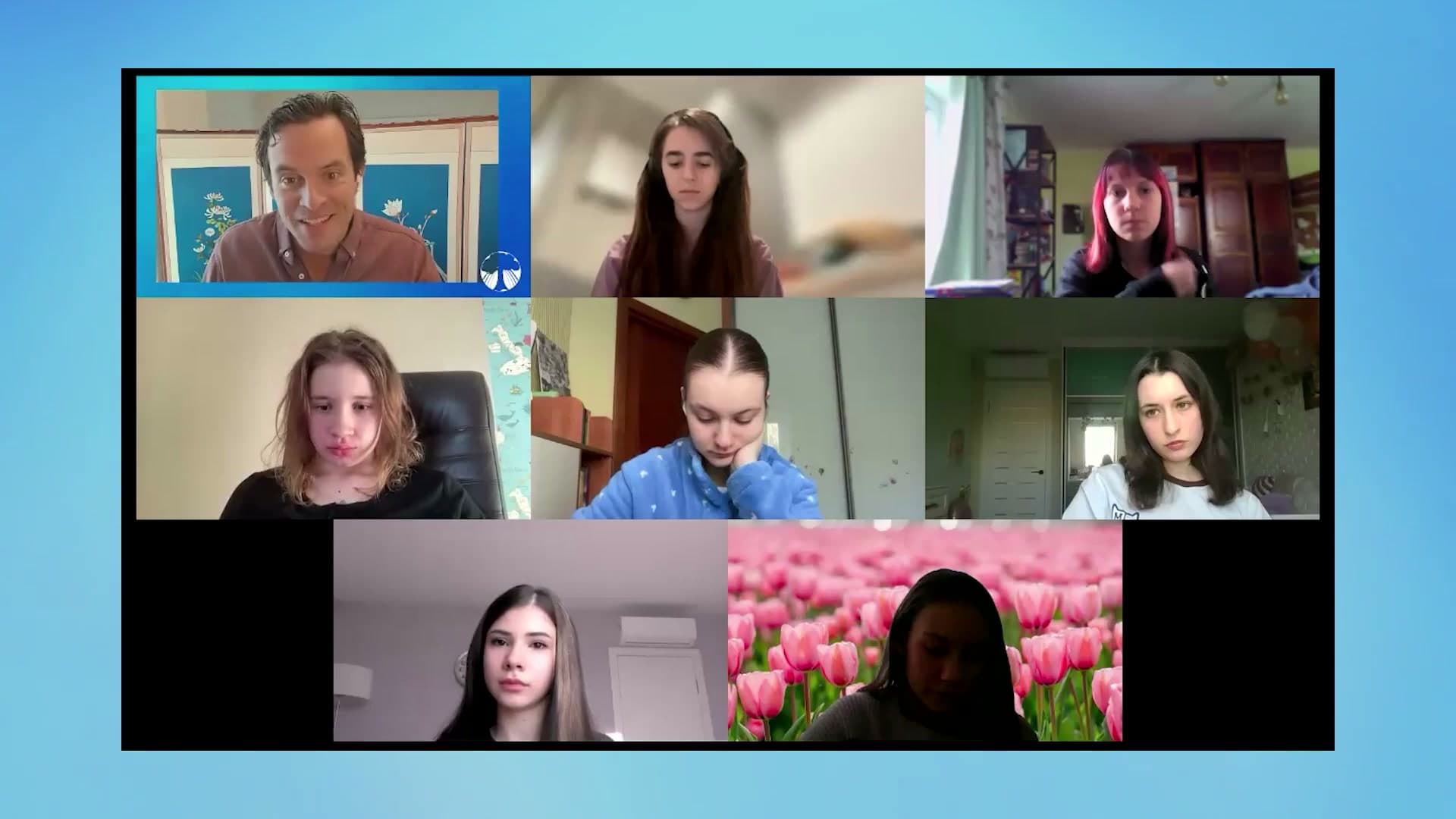
A four-week exchange for grades 5–10, between classrooms in different countries. A Banyan facilitator teaches one live lesson a week in your class, and students trade their work with partner classes abroad.
Page through with the buttons below, your arrow keys, or a swipe.
How it works
Four classes, four cities, one shared portal
Student portal
Students trade work here between lessons
Your class
Its own 45-minute live lesson each week, led by a Banyan facilitator
Partner class
In another country, with its own live lesson each week
Partner class
In another country, with its own live lesson each week
Partner class
In another country, with its own live lesson each week
Partner classes can be in any time zone: the portal carries the exchange from one lesson to the next.
The heart of every unit
One global question, four communities, and a lot of “why?”
- 1
Explore a global question
What do celebrations, walls, legends and public places say about people?
- 2
Look closely at home
Students find the answer in their own community, and make something original from it
- 3
See what other classes made
Each class brings its own culture, so every answer looks different
- 4
Compare, and ask why
Students ask partners about their choices, answer questions about their own, and reflect
For example: “Why does your festival celebrate the sea, when ours celebrates our gardens?”
One week in a cohort
Make, share, respond, repeat
1. Live lesson
45 minutes in your class time, led by a Banyan facilitator on your classroom screen
2. Students make and post
Short creative tasks, alone or in groups of three, posted to the portal before the bell
3. Partners respond
Partner classes read, react and ask questions in their own lessons
4. Next lesson opens with partner work
Students see what partners made, and answer them
All student work happens in class time. Every prompt comes with sentence frames, so English learners can join in from day one.
Who does what
We teach every lesson. You join in.

Banyan
- Designs and teaches every live lesson
- Brings the partner classes
- Runs the student portal
- Provides every slide, guide and printable
You
- Join the lesson with your class
- Help students in the moment
- Find everything in your teacher portal, including catch-up guides for absent students
- Assess the work, if you want to
Four units · Discover, design, refine, celebrate
Every unit ends with something students made

Festivals
What do our celebrations show about us and what we care about?
Students make an original festival and pitch it
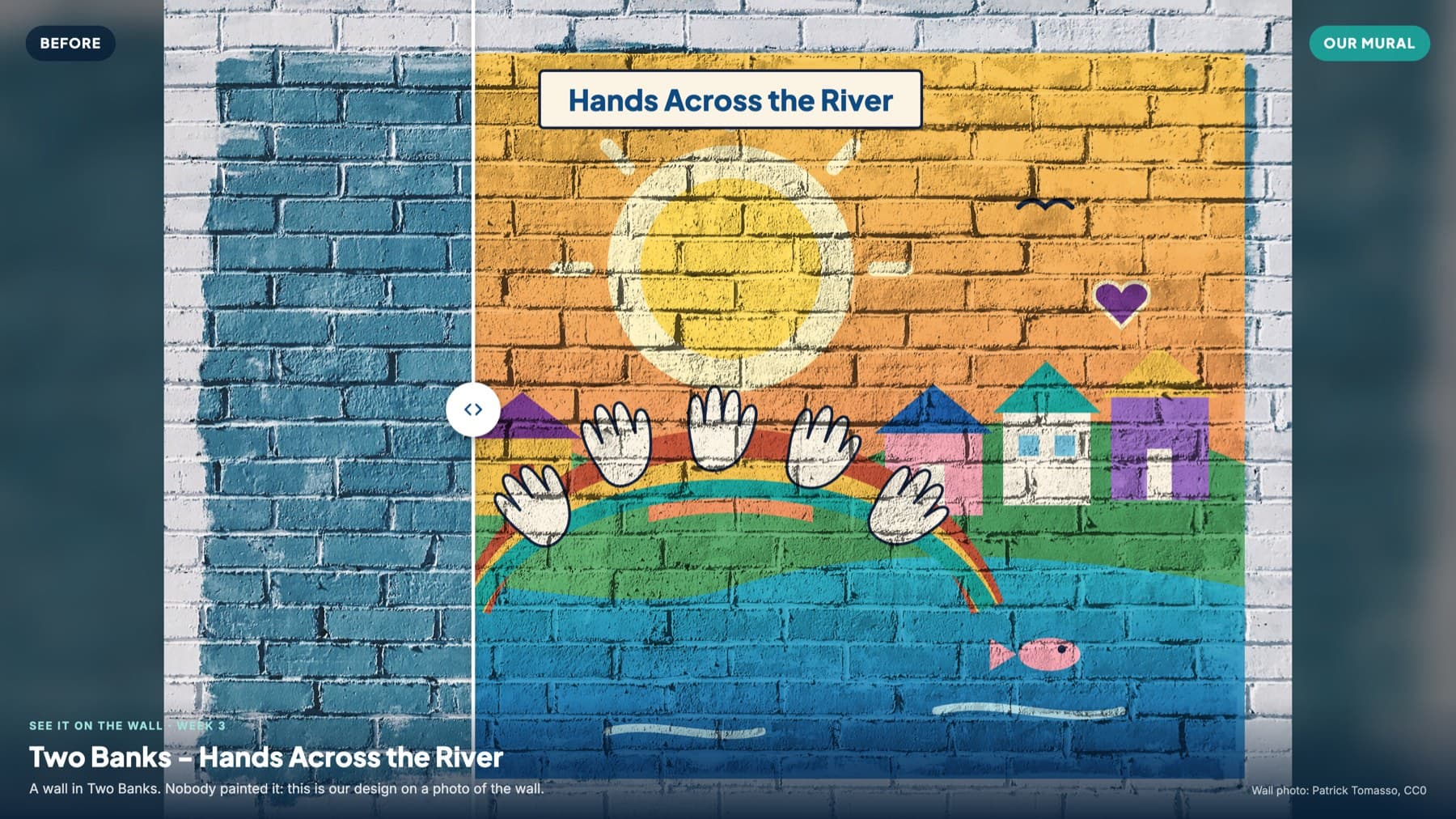
Murals
What stories do people paint on walls, and why?
Students make a mural design for a real wall
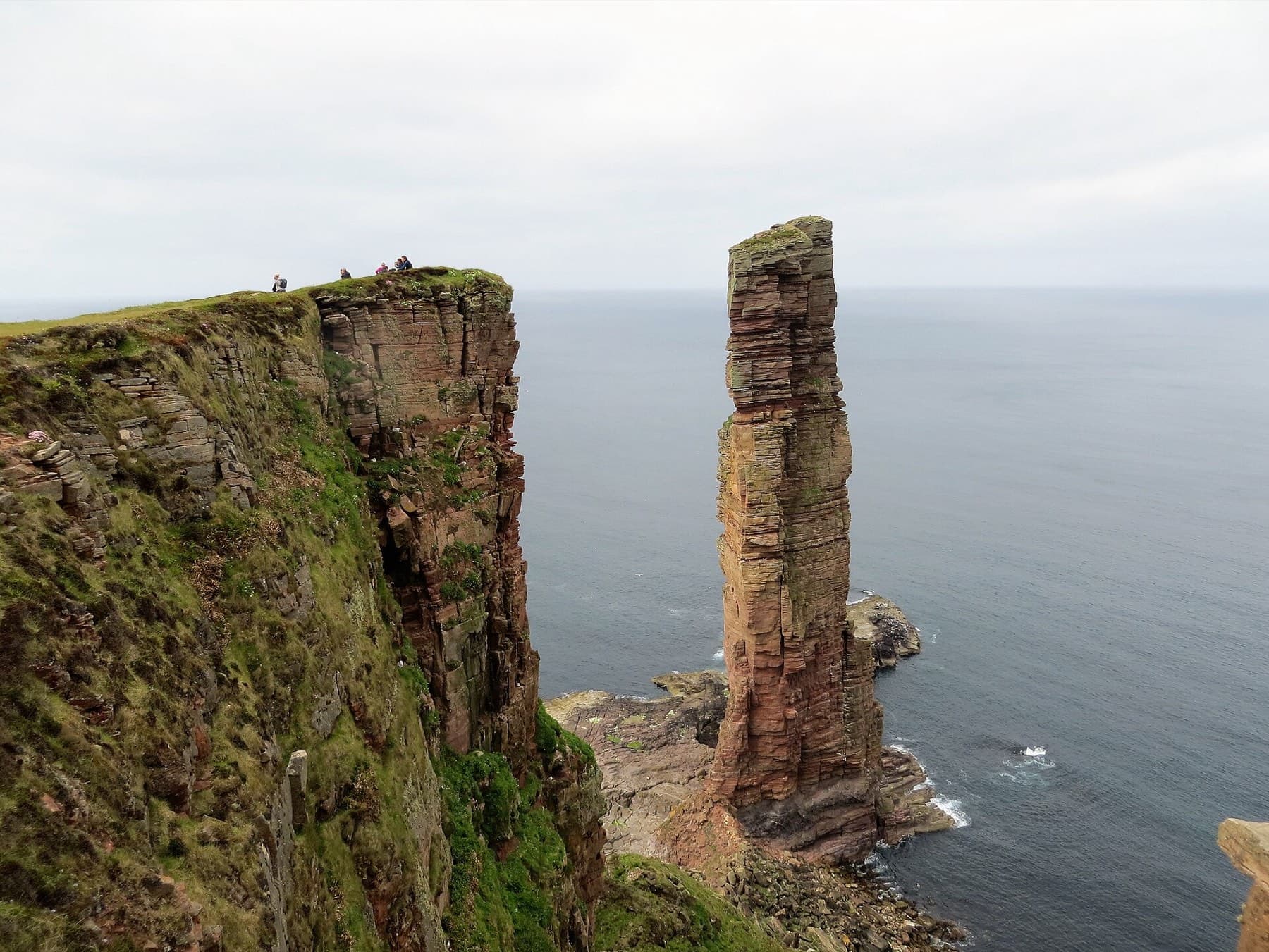
Local Legends
Which stories do people tell about our home, and whose are missing?
Students make a legend about a real place, told aloud
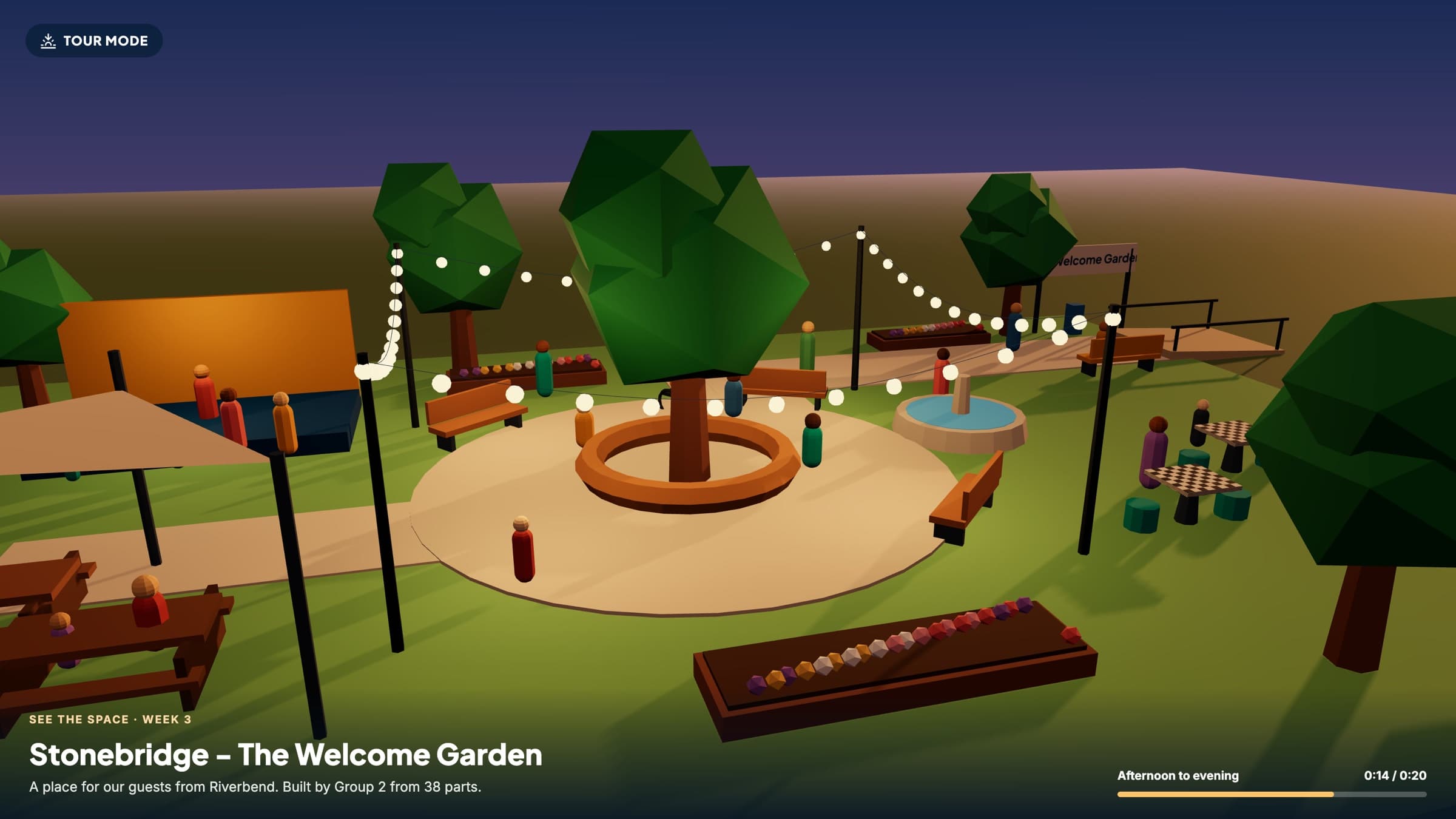
Gathering Spaces
What do the places we make show about what we care about?
Students make a gathering place for guests from a partner city
Join one unit or all four. The Murals and Gathering Spaces images are mock-ups of tools in development. Photos: Christophe95, CC BY-SA 4.0; John Ferguson, CC BY-SA 2.0 (Wikimedia Commons).
Photo: Christophe95, CC BY-SA 4.0
Unit 1 · Create your own festival
Festivals
“What do our celebrations show about us and what we care about?”
Week 1
Discover
Meet your partners and explore festivals
A word, a festival food and a 30–60 second video idea, then a prediction poll
Week 2
Design
Build your festival
In groups of three, a festival card in five rounds: story, name, food, main event, symbol
Week 3
Refine and respond
See it come to life
Ask partners about their choices, write a “real roots” line, record a 30-second pitch
Week 4
Celebrate
The Global Festival Celebration
Answer partner questions, watch partner pitches, write a two-part reflection
Festivals · Week 1
Four classes, one first question
Students post a word, a festival food and a video idea. Every post shows which city it came from.
- Sentence frames on every prompt
- 30–60 second video ideas, recorded in class
- A prediction poll they revisit in Week 2
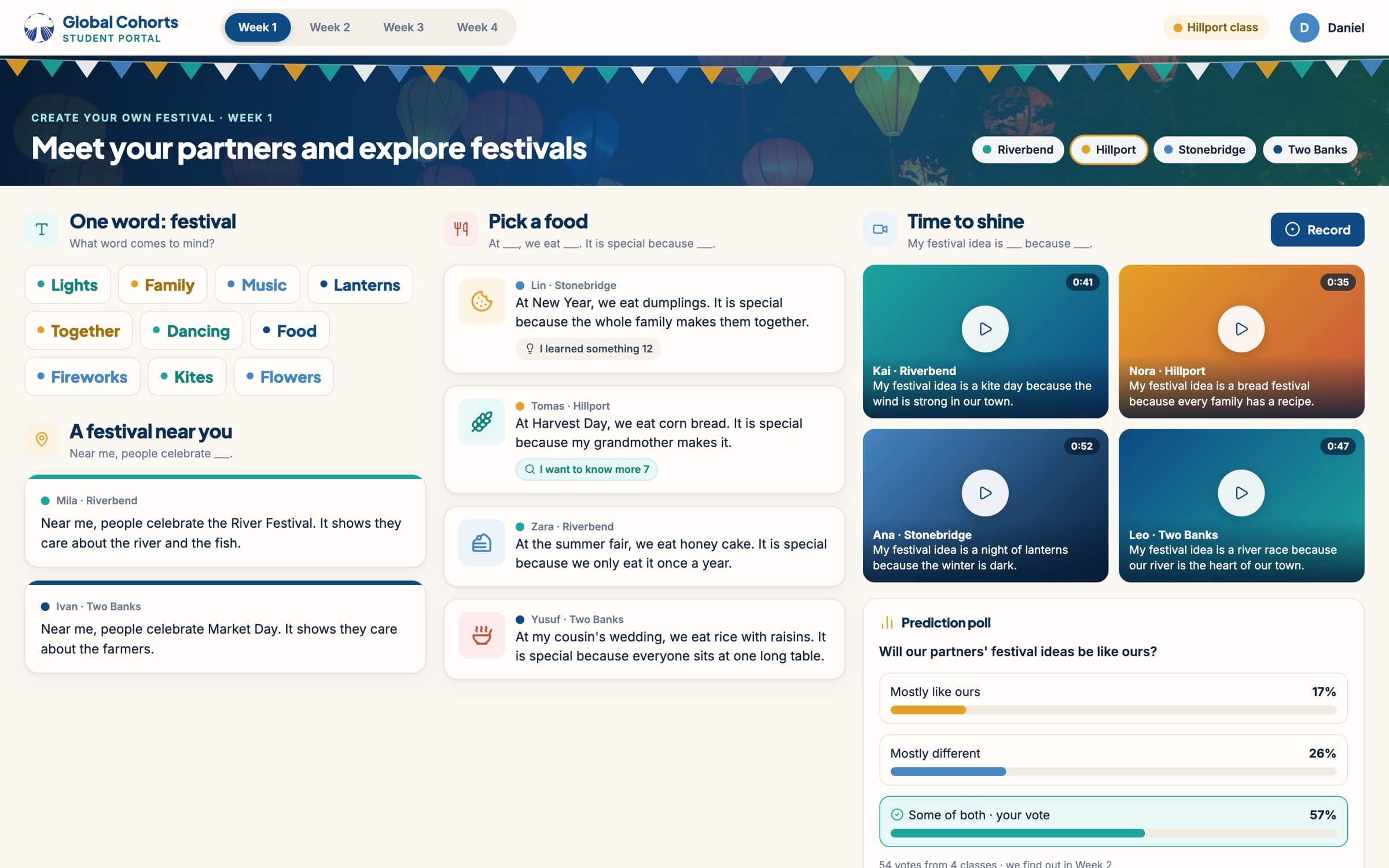
Mock-up · in development
Festivals · Week 2
A festival from every city
One class celebrates the sea, another its gardens. Students notice the differences and start asking why.
- Groups of three build one card, story first
- A fixed set of friendly reactions, shown as totals
- Comments start from kind sentence stems
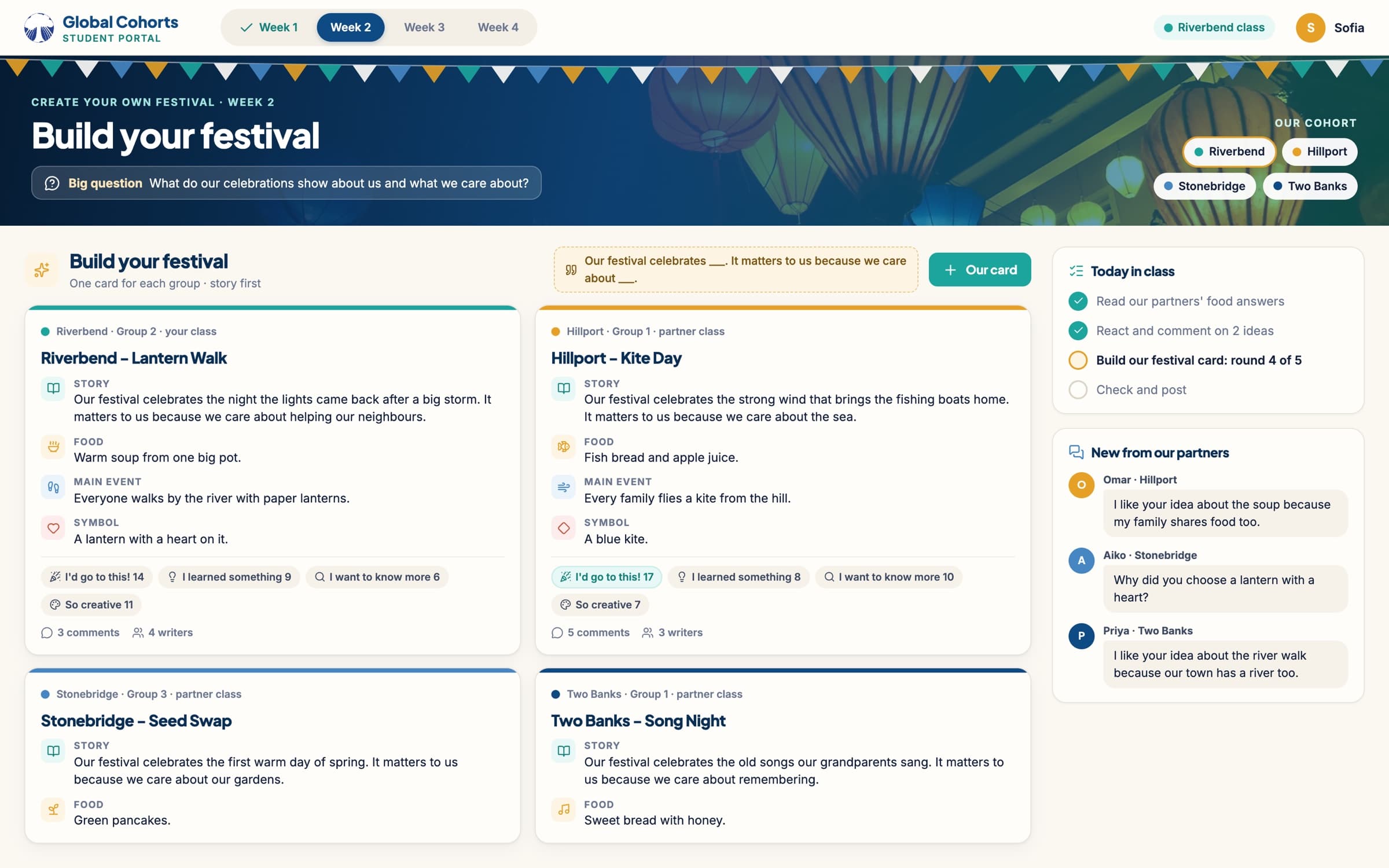
Mock-up · in development

Photo: Patrick Tomasso, CC0
Unit 2 · Walls that speak
Murals
“What stories do people paint on walls, and why?”
Week 1
Discover
Walls that speak
Propose a real wall near school, then a short video: “A wall in my community should say ___”
Week 2
Design
Design your mural
A mural card and a flat design: message, central image, symbols and colours, title
Week 3
Refine and respond
See it on the wall
The design on a photo of the real wall, one change, and an artist statement
Week 4
Celebrate
The Community Wall
A gallery of every class’s murals, comments for partners, and a reflection
Murals · Week 2
Design a mural together
A drawing studio in the browser, shaped like the group’s real wall.
- Draw, shapes, stickers and fill, one word per tool
- Message first: “Our mural says ___”
- Paper designs work too
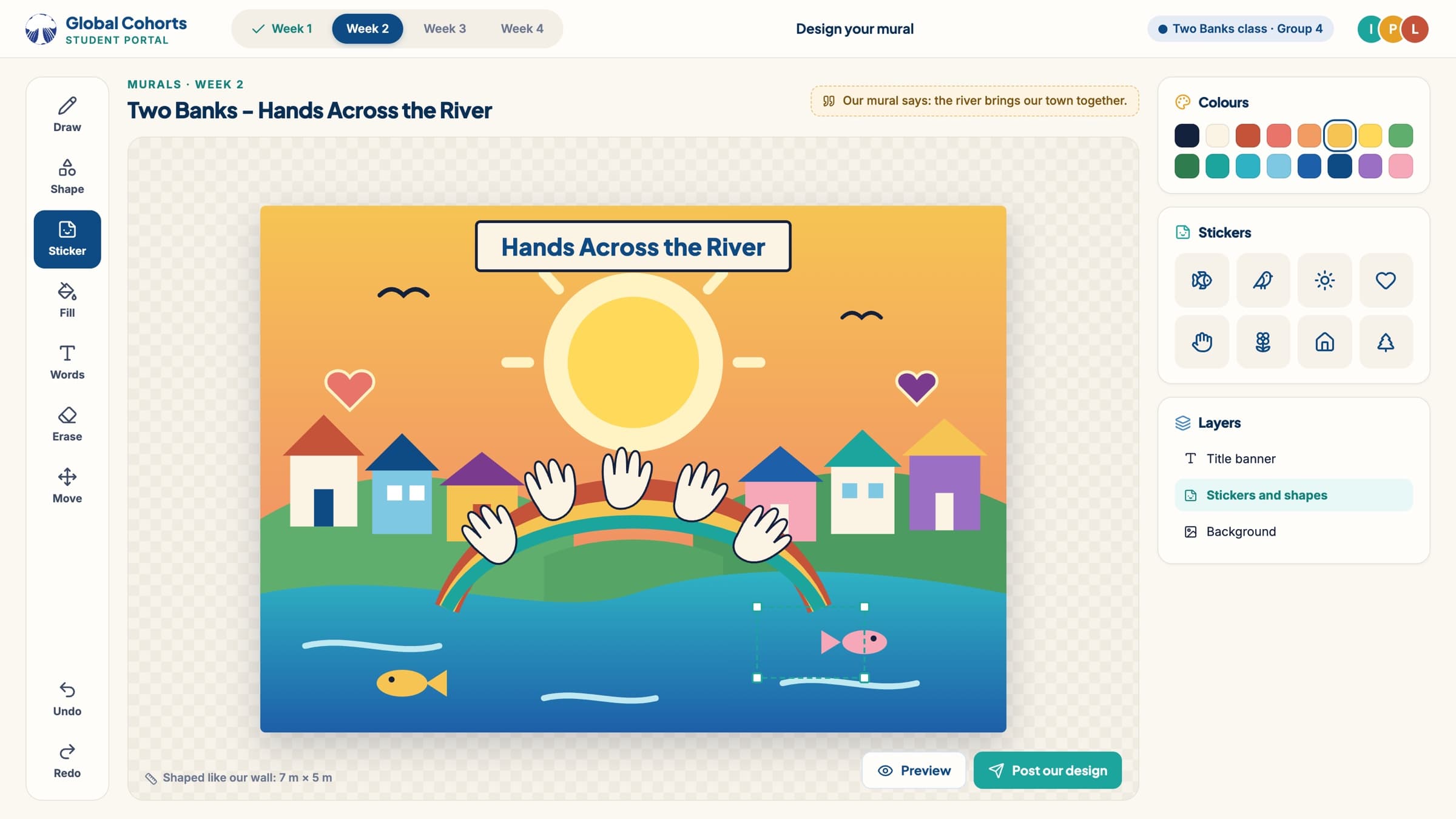
Mock-up · in development
Murals · Week 3
See it on the wall
Each group’s design goes onto a photo of the real wall they chose. Then they make one change and write an artist statement, including one story their mural leaves out.
Mock-up · in development
Photo: John Ferguson, CC BY-SA 2.0
Unit 3 · Stories that explain
Local Legends
“Which stories do people tell about our home, and whose stories are missing?”
Week 1
Discover
Stories that explain
A place word, and a short video about a place near you that needs a legend
Week 2
Design
Build your legend
A six-round legend card: what it explains, the place, a hero, the problem, the ending, a title
Week 3
Refine and respond
Give it a voice
A “whose history” line, and a 45-second group telling
Week 4
Celebrate
The Storytelling Circle
Answer partner questions, listen to partner tellings, write a reflection
Local Legends · Week 2
A legend, built in six rounds
Short timed rounds keep every group moving, and the card fills in as they go.
- Story first, title last
- Tap a sentence frame to start writing
- Partner ideas from Week 1, one tap away
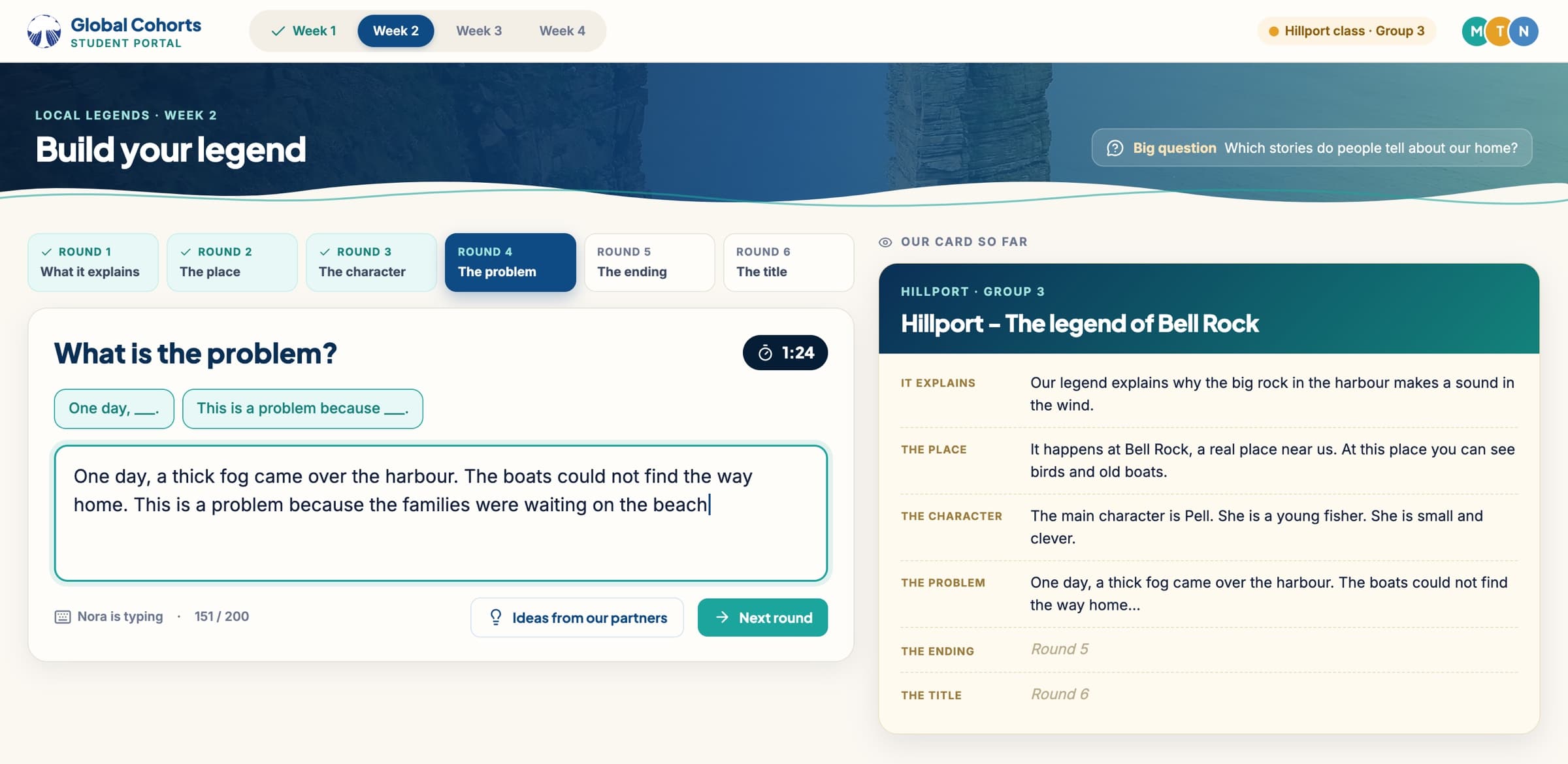
Mock-up · in development
Local Legends · Weeks 3–4
Tell it aloud, then ask why
Groups record a 45-second telling. Partners listen, ask a question, and get an answer the next week.
- Voice only: faces stay off camera
- Questions start from sentence starters
- “Whose history” lines ask who gets left out
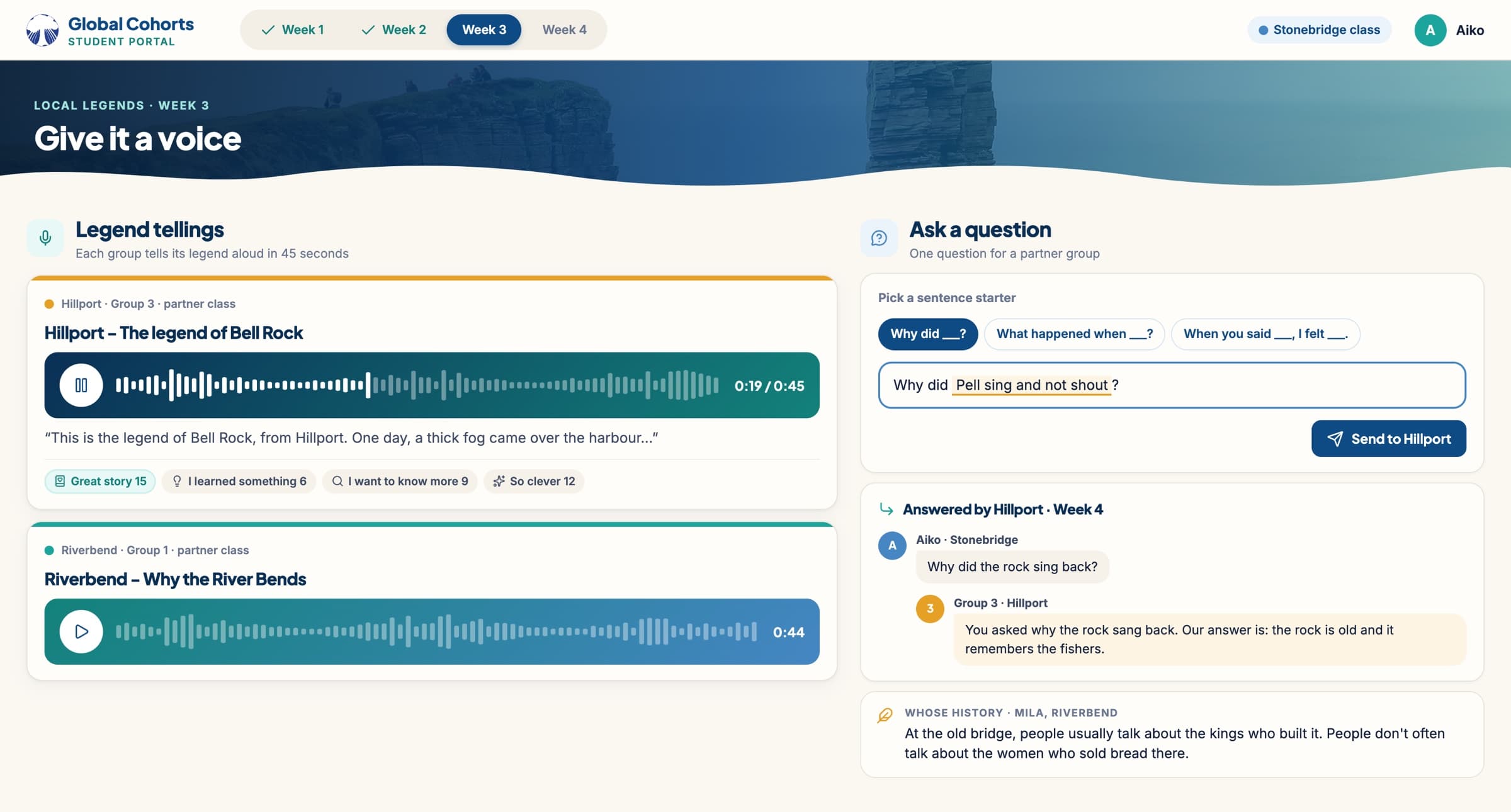
Mock-up · in development
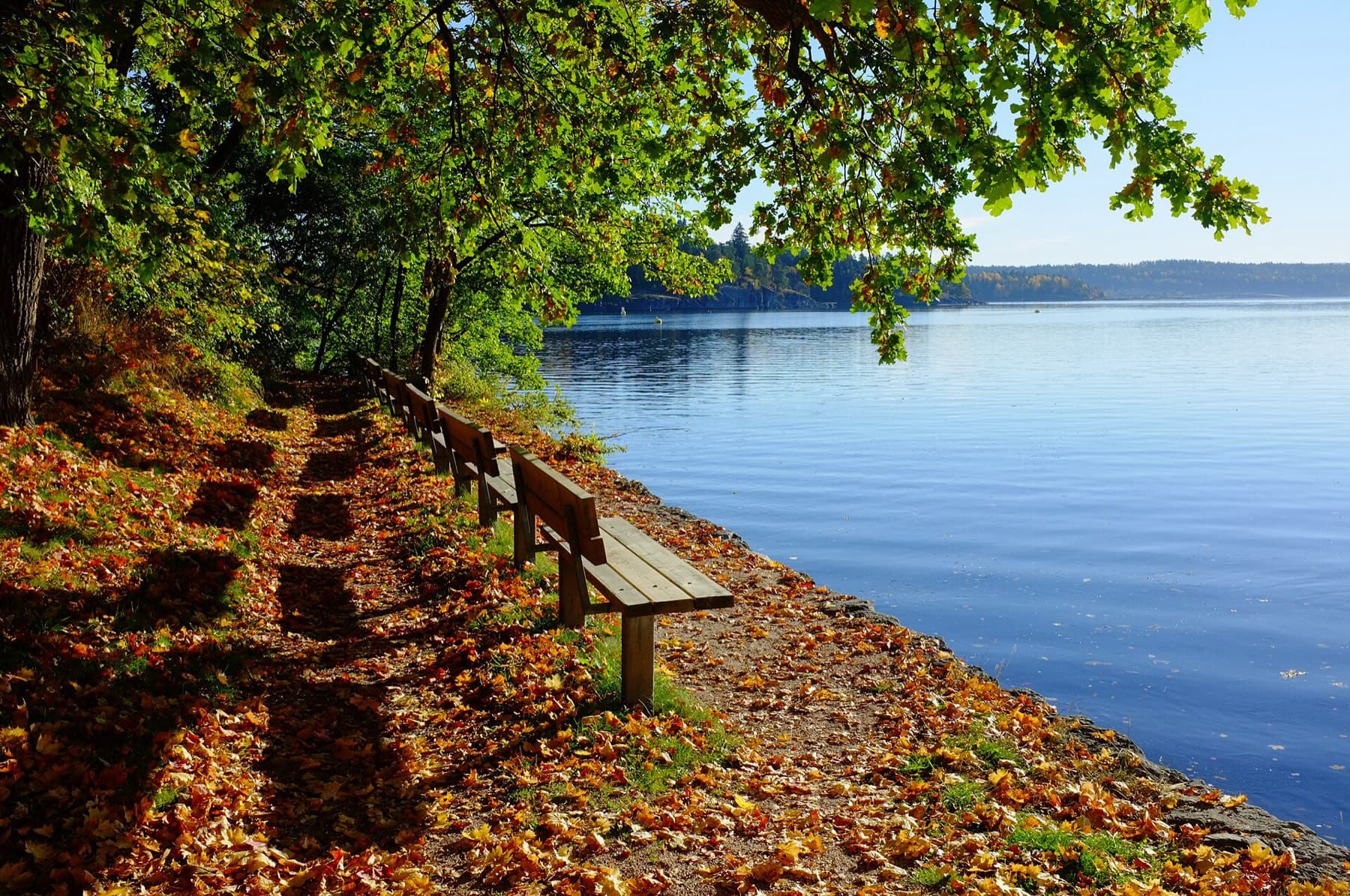
Photo: Baard Hansen, CC0
Unit 4 · A place for our visitors
Gathering Spaces
“What do the places we make show about what we care about?”
Week 1
Discover
Ask your guests
A welcome wish (“I feel welcome when ___”), a place near us, a welcome idea video
Week 2
Design
Design the place
A place card and a plan with six must-haves, including a way in with no steps
Week 3
Refine and respond
See the space
Check the design against what guests asked for, then a 45-second welcome pitch
Week 4
Celebrate
The Grand Opening
Guests open each place: “3, 2, 1… open!” Then a reflection on the year
Gathering Spaces · Week 2
Design a place for your guests
Groups build their place piece by piece, from what their guests said makes them feel welcome.
- A kit of simple parts, each with one word
- Six must-haves tick off as they build
- A way in with no steps, seats and shade, so everyone can come in
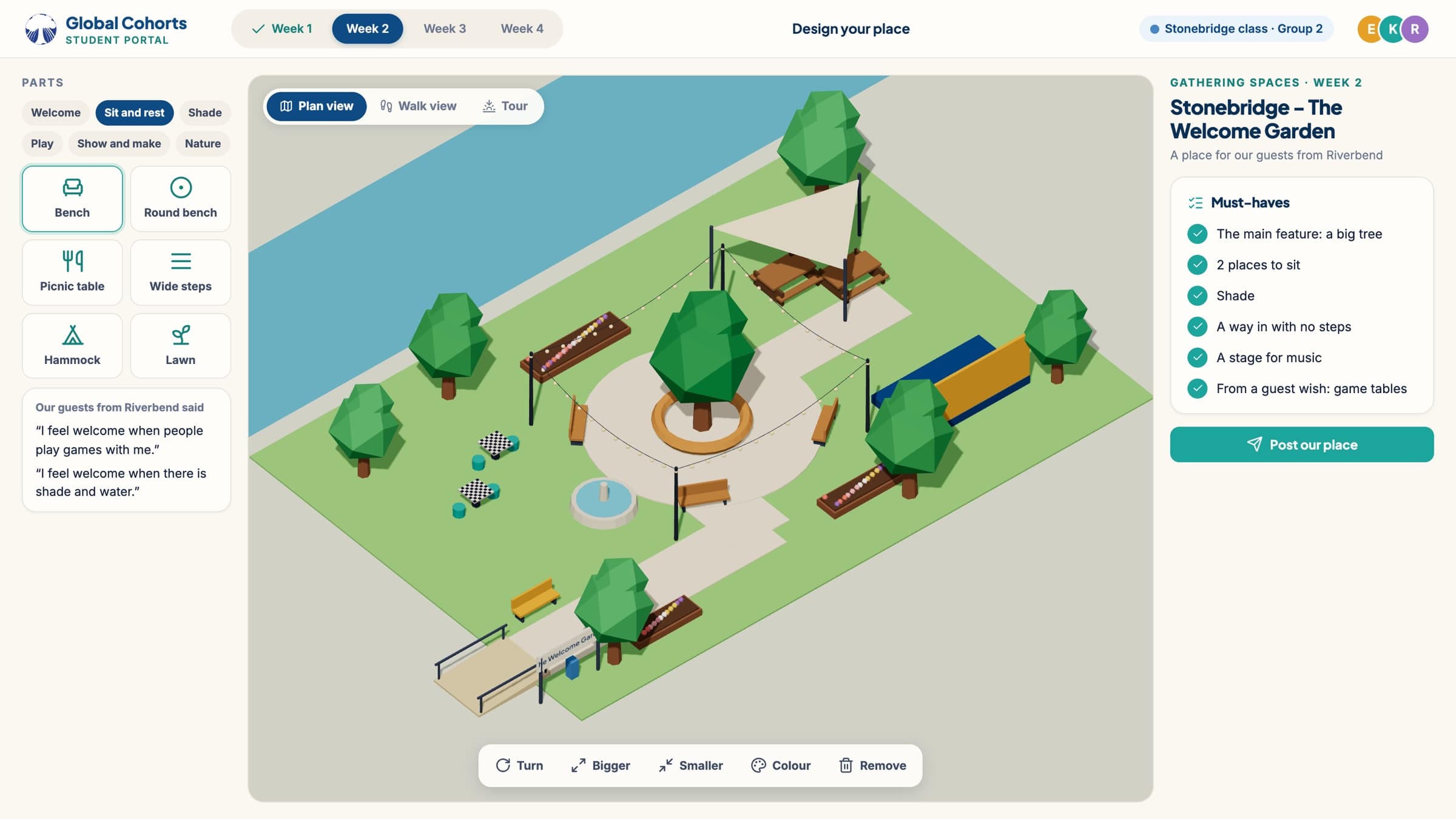
Mock-up · in development
Gathering Spaces · Week 3
Take the tour
A 20-second walk through the group’s place as afternoon turns to evening, made from their own plan. Then guests ask questions, and hosts check the design against what guests wished for.
Mock-up · in development
Your teacher portal
Everything you need, in one place
We deliver the unit. You get the full picture, every week.
- Session overview and slides before each lesson
- Catch-up guides for absent students
- Your class’s activity at a glance
- Messages from your facilitator
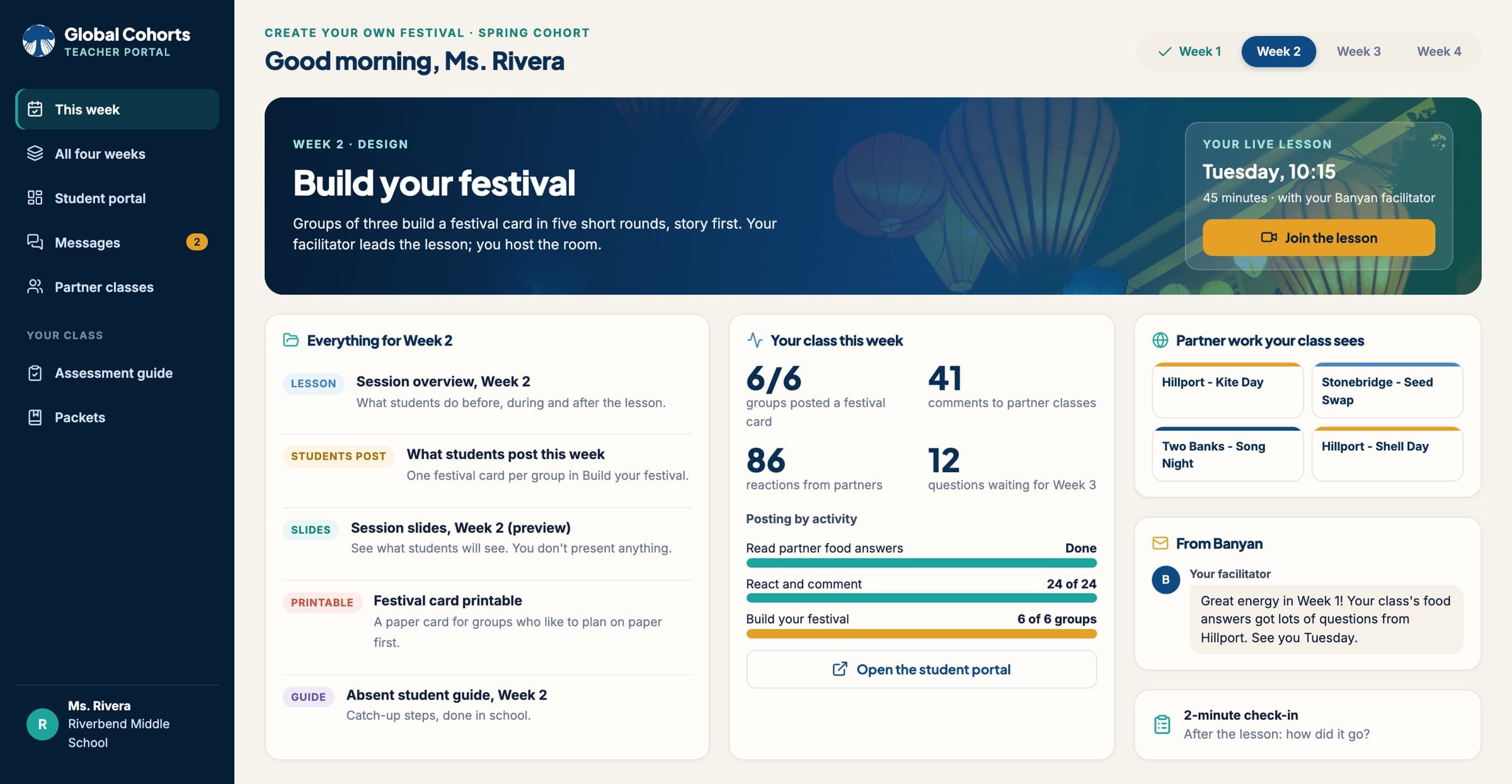
Mock-up · in development
After Week 4
What your class keeps
A record of four weeks of work, ready to download from your portal.
- A classroom packet with every city’s work, like a Book of Legends
- A portfolio and certificate for each student
- Partner work only where families agreed
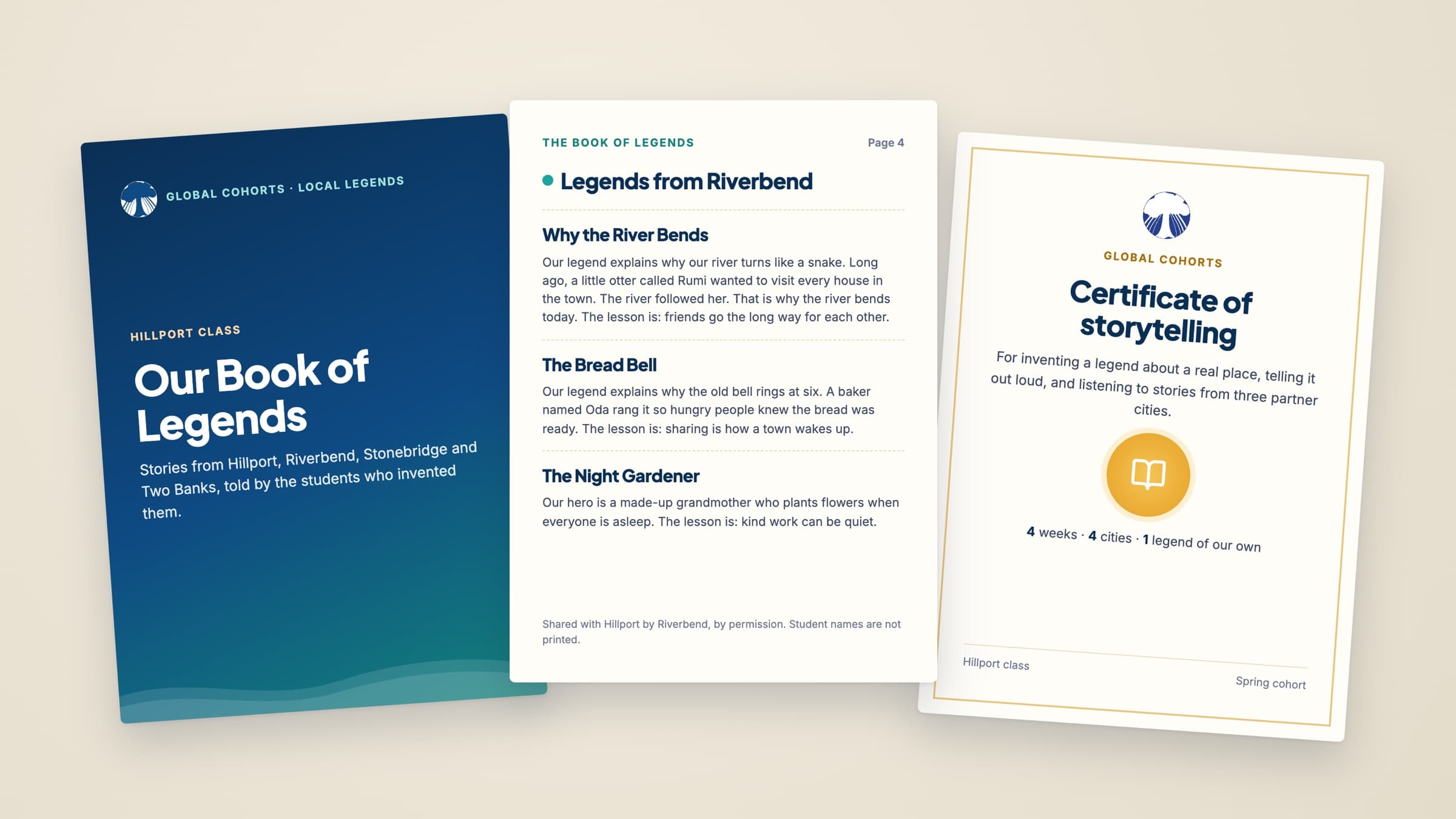
Mock-up · in development
Before the first lesson
Student privacy comes first, and it’s done early
Student work travels between classrooms in different countries, so we set up privacy carefully, before teacher onboarding.
- 1
Data agreement with your school
How student work is stored, who sees it, and when it is deleted
- 2
Family consent, choice by choice
Families decide what partner classes can see: writing, drawings, voice or video
- 3
Class roster and entry code
Students sign in with a class code, and the portal follows each family’s choices
- 4
Then, teacher onboarding
Your portal access, the unit overview and a “get ready” week
We handle the paperwork with your school, so it doesn’t land on you.
Fits what you teach
Evidence of learning, every week
Global Cohorts is built around the MYP interdisciplinary unit requirement, and each unit works just as well in a social studies, language or arts class.
Week 2 · Criterion B
A group design
The festival card, mural, legend or place plan
Week 3 · Criterion A
An individual written line
Connecting the design to real life in their community
Week 4 · Criterion C
A two-part reflection
What they learned about culture, and about themselves
What it takes
Your class, 45 minutes a week. We do the rest.
What you need
- A 45-minute class slot each week, for four weeks
- A classroom screen, speakers, camera and microphone
- Student devices for posting (sharing is fine)
Every cohort includes
- A Banyan facilitator for every live lesson
- Partner classes in other countries
- The student portal and your teacher portal
- Every slide, guide and printable
Spring 2027 cohorts open in February. Join one unit or all four.
Next step
Let’s plan your class’s cohort.
A 15-minute call is enough to pick a unit and a month that fit your calendar.
Slide 1 of 24: Your class, in conversation with the world